Schedule Service

Every Box Checked. Except the One Behind That Gray Door.

You tune up the furnace every fall. You get the oil changed on schedule. You see the dentist twice a year even when you’d rather not. The gutters got cleaned last October. The water heater? Checked. 

You’re the kind of homeowner who stays on top of things. And that’s exactly why this might catch you off guard. 

When’s the last time someone looked inside your electrical panel? 

For most homeowners, the honest answer is never. Not once. The panel has been sitting behind that little gray door in the basement for twenty or thirty years, quietly doing its job, and nobody with any real electrical knowledge has ever opened it up and taken a look. 

That’s the gap. And it’s a surprisingly easy one to close. 

Your Electrical Panel Powers Your Entire Home. Has It Ever Been Inspected?

Think about what runs through that panel. Your morning coffee. The kids’ nightlights. The air conditioner on the first genuinely hot day of the summer. Your home office. The refrigerator, the washer, the dryer, the TV, the router. Every single thing that uses electricity in your house flows through that box. 

And yet it’s probably the only major system in your home that’s never been professionally inspected. For most homeowners, a routine home electrical safety check simply never made it onto the list. 

Out of sight, out of mind. And because it hasn’t caused any obvious problems, it’s easy to assume everything is fine. 

Maybe it is. But wouldn’t it be nice to actually know? 

What Does an Electrical Panel Inspection Include?
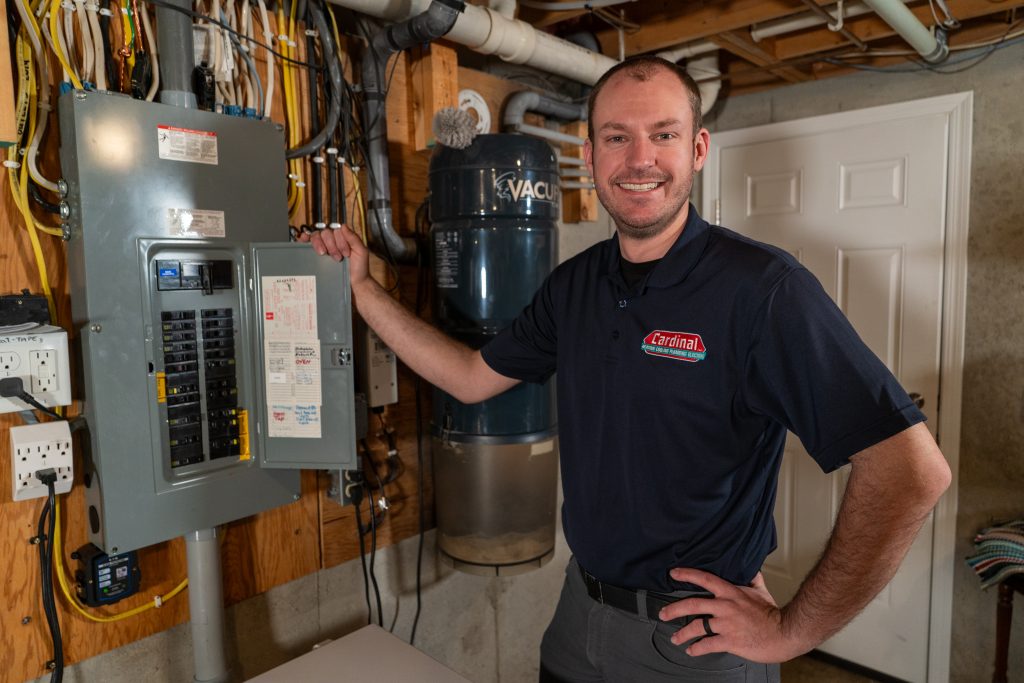
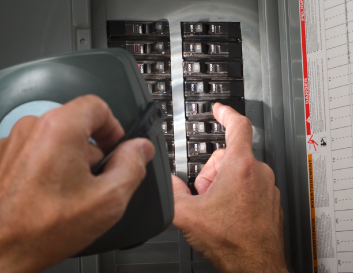
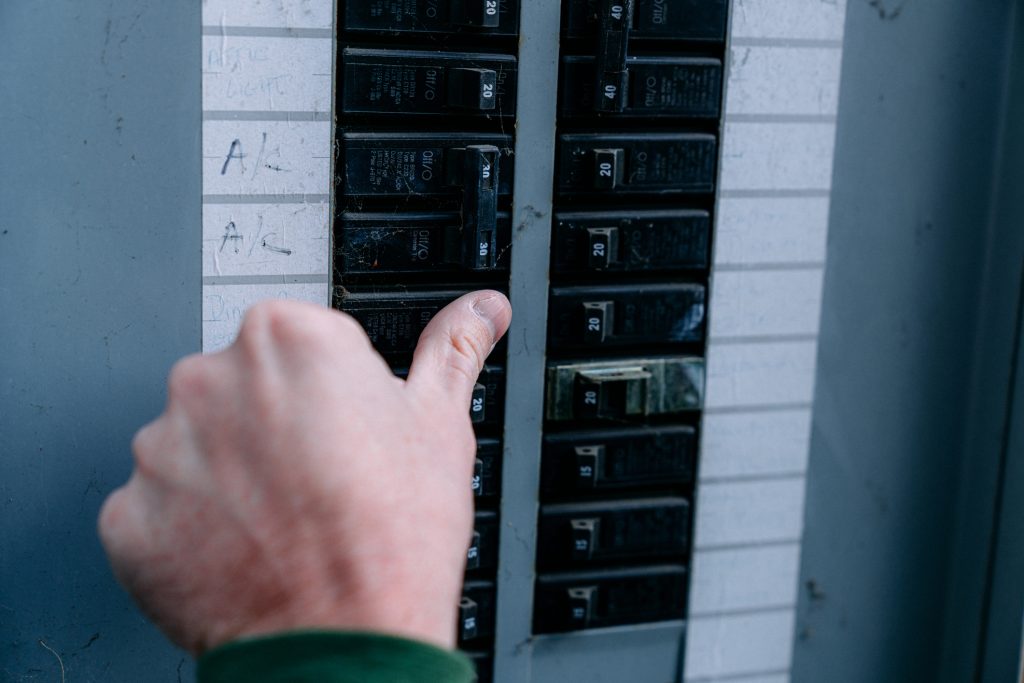
This isn’t a vague “we looked at it and it seemed okay” kind of visit. A Cardinal electrician does a thorough inspection that covers the things that actually matter: 

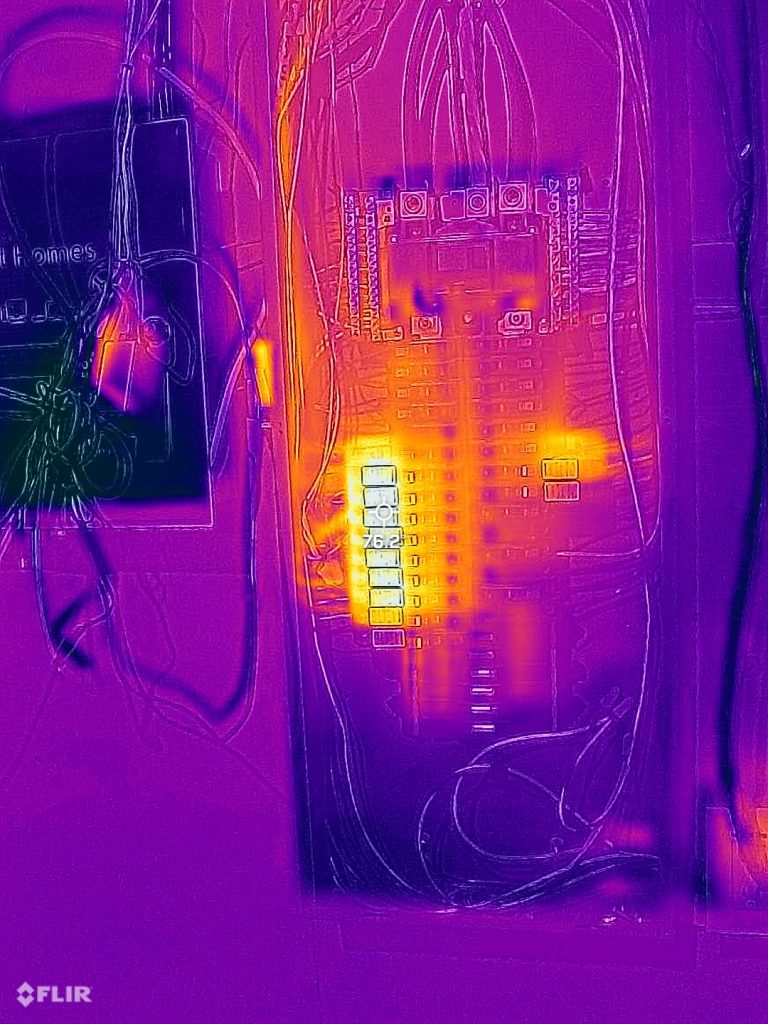
Visual and thermal inspection of the panel itself 

Verification that breakers are the right brand and properly sized for your home per National Electrical Code standards 

Inspection of all connections for tightness and proper operation 

Assessment for any corrosion or moisture-related issues 

The thermal piece is worth mentioning specifically. A thermal camera can detect heat signatures that aren’t visible to the naked eye, things like connections that are running warmer than they should be. It’s a level of detail you simply can’t get from a visual check alone. 

At the end of the visit, you’ll know what’s in there. Good news or news you needed to hear, either way you walk away with something you didn’t have before: a real answer. 

When Should You Schedule an Electrical Panel Inspection?

Before the air conditioners kick on. Before summer electrical loads start stressing an aging system. Before your schedule gets slammed with everything else the warmer months bring. 

Spring is genuinely the smart window for an electrical inspection. Demand on your system is lower, scheduling is easier, and if anything does need attention, you’ll have time to address it before summer arrives and your electrical usage climbs. 

It’s the same logic as a furnace tune-up in the fall. Get ahead of it before the system is working hardest. 

Common Questions About Electrical Panel Inspections

What happens during an electrical panel inspection? 

A Cardinal electrician opens the panel and does a thorough look at what’s actually in there. That includes a visual and thermal inspection of the panel itself, checking that breakers are the right brand and properly sized for your home, inspecting all connections for tightness, and looking for any signs of corrosion or moisture. The thermal camera piece is worth noting because it can detect heat signatures that a visual check alone would miss. The whole thing is straightforward and unhurried. 

How long does an inspection take? 

Most panel inspections can be completed in about an hour. It’s not a major disruption to your day. 

How often should an electrical panel be inspected? 

A good rule of thumb is every three to five years for newer panels and every two to three years for a panel twenty years or older. Or any time something changes in your home. Adding a major appliance, finishing a basement, installing an EV charger, or buying a home that hasn’t had one done recently are all good reasons to get an inspection scheduled sooner rather than later. 

What if the inspection finds something wrong? 

That’s actually the best possible outcome of finding something early. If there’s an issue, your electrician will explain what it is, what it means, and what your options are. No pressure, no manufactured urgency. You’ll have real information to make a real decision. And if everything looks fine, you’ll know that too, which is worth something on its own. 

Is $99 the total cost or just a diagnostic fee? 

The $99 is the inspection fee, not a diagnostic charge that gets rolled into a larger bill. You pay $99, you get a full inspection, and you get answers. If anything needs follow-up work, that would be a separate conversation with a separate estimate. 

Through May 1, 2026, Cardinal is offering a full electrical panel inspection for $99, that’s $50 off the regular price of $149. One visit, one thorough inspection, real answers from a licensed electrician who’s been serving Sun Prairie and Dane County since 1984. 

If you’ve been meaning to get your home electrical system checked out, this is a pretty low-friction way to do it. Book online or give us a call and we’ll take care of the rest. 

Schedule Service

Most Wisconsin storms are just storms

Rain. Thunder. Maybe a flicker of lights. You have been through enough of them living in Sun Prairie or anywhere in Dane County. You know the routine. Light a candle. Wait it out. The power usually comes back within the hour. 

But not every storm goes that way. 

Sometimes the power stays out. 

And when it does, your sump pump goes silent. 

That is when the real problem begins. 

The Storm Is Not the Risk. The Power Outage Is.

In southern Wisconsin, the storms that knock out power are often the same ones that dump inches of rain in a short window. Spring snowmelt. Saturated ground. Heavy thunderstorms rolling across Dane County. 

Your sump pump is designed to handle rising groundwater, but it runs on electricity. So when the power fails at the exact moment your pump is needed most, it stops working. 

Not gradually. Immediately. Water does not wait. 

What Insurance Replaces and What It Does Not

If your basement floods, insurance may help with: 

  • Carpet 
  • Drywall 
  • Furniture 
  • Appliances 

It is a disruption. It is expensive. But it is replaceable. 

What usually lives in basements, though, is not. 

Photo albums. Baby books. Kids’ artwork from elementary school. Holiday decorations collected over decades. Old home videos on tapes or DVDs. Letters. Yearbooks. The box you keep meaning to sort through but never quite get around to. 

Water does not distinguish between soaked carpet and forty years of memories. It ruins both without hesitation. 

And when you are standing in a wet basement holding pages that used to contain photos of your child’s first steps, there is no claim form that fixes that. 

That is the part most homeowners do not think about until it happens. 

Why a Standard Sump Pump Is Not Enough

A typical sump pump system in Sun Prairie homes includes one primary pump connected to your home’s electrical system. 

It works perfectly. Until the power goes out. 

Without a battery backup sump pump, there is no secondary protection. No redundancy. No safety net. 

A battery backup system installs alongside your primary pump. When the power fails, it switches on automatically. You do not have to reset anything. You do not have to be home. 

It simply keeps running. 

That is the difference between cleanup and staying dry. 

What Battery Backup Sump Pump Installation Actually Protects

Staying protected during a power outage means: 

  • Your pump continues running even when the grid is down 
  • Your basement stays dry during heavy rain and spring thaw 
  • Your stored belongings stay exactly where you left them 
  • You avoid water damage costs that exceed insurance limits 
  • You stop worrying every time a severe thunderstorm warning appears 

That last one matters more than most people expect. 

There is a real cost to lying awake during a Wisconsin storm wondering whether tonight is the night something goes wrong. 

Common Questions About Battery Backup Sump Pumps

What is the difference between a battery backup sump pump and a regular sump pump? 

Your primary sump pump runs on household electricity. A battery backup sump pump has its own dedicated battery system. If the power fails, the backup automatically takes over. The systems we install combine both into one coordinated setup so your home is protected under normal conditions and during outages. 

How long does a battery backup sump pump last during an outage? 

Runtime depends on how much water is entering your sump pit. Most systems are designed to handle extended outages common during Wisconsin storms, not just brief power flickers. During an in-home estimate, we can review capacity options based on your home’s specific needs. 

How do I know if the battery needs attention? 

Modern systems include built-in monitoring and alarms. They perform regular self-checks and alert you if the battery needs replacement. You are not left guessing. 

How long does installation take? 

In most Sun Prairie and Dane County homes, installation can be completed in a few hours. After assessing your existing sump setup, your plumber will provide a clear timeline. 

How much does battery backup sump pump installation cost? 

Installation cost depends on your current sump configuration and the battery system selected. Through April 3, 2026, you will save 100 dollars off installation. Call us for a precise quote tailored to your home. 

Save 100 Dollars on Battery Backup Sump Pump Installation Before April 3

Storm season in Wisconsin is not the time to discover you needed backup protection. 

Through April 3, 2026, Cardinal is offering 100 dollars off battery backup sump pump installation for homeowners in Sun Prairie and throughout Dane County. 

We have served this community since 1984. Our licensed plumbers install systems designed for real Midwest weather conditions. We evaluate your current sump pump, recommend the right backup capacity, and ensure the system is installed properly the first time. 

This is one of those upgrades where the math is straightforward. 

One installation. 

One battery backup system. 

And you stop gambling with things that cannot be replaced. 

If you have been meaning to get this taken care of, now is the time to schedule it before the next round of storms rolls through. 

Call (608) 291-3409 or click the button below to schedule your battery backup sump pump installation and secure your 100 dollar savings before April 3. 

Schedule Service

You have reset that same breaker three times this month. 

Maybe it is the kitchen. Maybe it is the home office. Either way, you flip it back on, get on with your day, and file it away under, “I will deal with that later.” 

But here is the thing about later. 

Later usually shows up at the worst possible time. 

In many Sun Prairie and Dane County homes, the electrical panel behind that gray metal door is working much harder than it was ever designed to. 

Built for a Different Version of Life

If your home was built in the 1990s or early 2000s, it was likely installed with 100 amp or 125 amp service. 

At the time, that made perfect sense. 

One television. A desktop computer. Standard kitchen appliances. No electric vehicle charger in the garage. No heat pump running year round. No remote work setup pulling steady power all day. 

That world does not exist anymore. 

Today many households are running: 

  • Multiple streaming devices 
  • Work from home equipment 
  • Smart thermostats and security systems 
  • Garage freezers 
  • Electric vehicle chargers 
  • High efficiency heating and cooling systems 

All of it flows through one place: your electrical panel. 

If that panel is undersized, full, or aging, it starts showing up in small ways such as dimming lights, warm breaker panels, or circuits that trip when the microwave and coffee maker run together. 

They feel minor. 

Until they are not. 

When Breakers Keep Tripping, It Is a Signal

A breaker tripping occasionally is normal. It is doing its job. 

A breaker that trips regularly is telling you something. 

Your system is being pushed to its limit. 

Most modern homes benefit from 200 amp service. Many homes built 25 to 30 years ago still operate on 100 amp panels. That difference matters, especially as electrical demand increases. 

It matters even more if you are thinking about: 

  • Installing a Level 2 EV charger, which often requires a 40 to 60 amp dedicated circuit 
  • Adding a heat pump 
  • Finishing a basement 
  • Upgrading major appliances 
  • Adding a hot tub or workshop equipment 

Before any of those projects move forward, a licensed electrician performs a load calculation to determine whether your current service can safely handle the demand. 

In many older Dane County homes, the answer is no. 

That is when an electrical panel upgrade becomes the smart next step. Not because something failed, but because your home has outgrown its original design. 

Is an Older Electrical Panel a Safety Concern?

Electrical systems are designed with limits. 

When a panel is undersized for modern demand or no longer aligned with current code standards, those limits get tested more often. 

Older panels often lack the capacity and protective features common in newer installations. As electrical loads increase with EV chargers, heat pumps, and additional circuits, strain on the system increases as well. 

Upgrading your panel is not about aesthetics or convenience. It is about ensuring your home’s electrical backbone is properly sized, properly protected, and installed to today’s safety standards. 

For families like yours who value long term reliability and peace of mind, that foundation matters. 

What Changes After a 200 Amp Panel Upgrade?

Homeowners usually describe the difference in practical terms. 

The breakers stop tripping. 

The lights stop flickering when the air conditioner starts. 

There is room in the panel for future projects instead of that crowded feeling when every slot is full. 

There is also something less visible. The sense that the electrical backbone of your house finally matches the life happening inside it. 

Across Sun Prairie and throughout Dane County, many subdivisions built in the 1990s are reaching the point where this upgrade simply makes sense. 

It is infrastructure that feels like freedom once it is done. 

How Do You Know If It Is Time for an Electrical Panel Upgrade?

It may be time to schedule an assessment if: 

  • Breakers trip more than occasionally 
  • Lights dim when larger appliances turn on 
  • Your panel is full with no room for new circuits 
  • Your home still has 100 amp service 
  • You are planning to install an EV charger 
  • You are considering a heat pump or major remodel 

An assessment gives you clarity. 

Clarity is always better than guessing. 

Save $500 on an Electrical Panel Upgrade Before April 3

If an upgrade has been sitting on your to do list, this is a practical time to act. 

Through April 3, 2026, Cardinal is offering 500 dollars off an electrical panel upgrade for homeowners in Sun Prairie and across Dane County. 

Most panel upgrades: 

  • Are completed in about one day 
  • Include a full system evaluation and load calculation 
  • Bring your service up to current code standards 
  • Restore power safely the same day 

We have been serving Dane County homeowners since 1984. Our electricians are licensed, experienced, and focused on doing the job right. We explain what we see, outline your options clearly, and never rush the work. 

No scare tactics. No pressure. Just straightforward recommendations based on your home and your plans. 

If your breakers have been trying to get your attention, it may be time to listen. 

Call (608) 470-3876 or click on this link to schedule your electrical panel assessment and secure your 500 dollar savings before April 3.